4th of July Pet Safety Tips: How to Keep Your Furry Friends Calm During Fireworks

The 4th of July is a time for family gatherings, backyard barbecues, and spectacular fireworks displays. While these celebrations are exciting for people, they can be overwhelming and frightening for pets. Loud fireworks, unfamiliar guests, and changes to routine can cause stress, anxiety, and even dangerous situations for dogs, cats, and other small animals.

Every year, animal shelters report an increase in lost pets around Independence Day as frightened animals attempt to escape from the noise. Fortunately, with a little planning and preparation, you can help keep your furry friends safe, calm, and comfortable throughout the holiday.
Why Fireworks Scare Pets

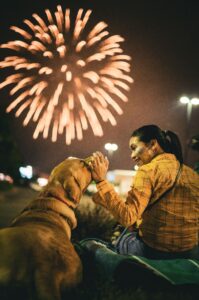
Pets experience the world differently than humans. Dogs and cats have much more sensitive hearing, which means the loud booms, crackles, and whistles of fireworks can be startling and distressing. Unlike people, pets don’t understand what fireworks are or why they are happening.

Many animals perceive these loud noises as a threat, triggering their natural fight-or-flight response. This can lead to behaviors such as trembling, pacing, excessive barking, hiding, panting, or attempts to escape.

Understanding your pet’s reaction is the first step toward helping them feel safe during holiday celebrations.

Create a Safe and Quiet Space

One of the best ways to reduce stress during fireworks is to provide your pet with a designated safe area inside your home. Choose a quiet room away from windows and exterior doors where noise levels may be lower.

Add familiar items such as your pet’s bed, favorite blanket, toys, and water bowl. Creating a comfortable environment can help them feel secure and relaxed.

For cats, consider providing hiding spots such as covered beds or enclosed spaces where they can retreat if they feel nervous. Small pets like rabbits, guinea pigs, and hamsters may also benefit from additional bedding and covered areas within their habitats.

Keep Pets Indoors

Even pets that normally spend time outside should remain indoors during fireworks displays. Loud noises can cause even well-trained pets to panic and run away.

Before the festivities begin, make sure all doors, windows, and gates are securely closed. If guests are visiting your home, remind them to be cautious when entering and leaving to prevent accidental escapes.

Keeping pets safely indoors significantly reduces the risk of them becoming lost or injured.

Use Background Noise

Masking the sound of fireworks can help reduce anxiety for many pets. Try turning on a television, radio, fan, or calming music playlist to create background noise.

Some pet owners find success with specially designed calming music for dogs and cats. Soft sounds can help distract pets from the sudden bursts of noise occurring outside.

The goal is not to eliminate the sound entirely but to make it less noticeable and less frightening.
Exercise Before the Fireworks Begin

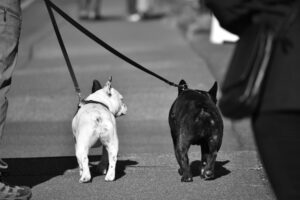
A tired pet is often a calmer pet. Taking your dog for a long walk or engaging them in active play earlier in the day can help burn off excess energy.

Physical and mental stimulation can make it easier for your pet to relax when fireworks begin later in the evening. Puzzle toys, interactive games, and training exercises are also excellent ways to keep pets occupied.

Be sure to complete outdoor activities before dusk, as fireworks may start earlier than expected in some neighborhoods.

Provide Comfort and Reassurance

If your pet seeks comfort from you during fireworks, remain calm and reassuring. Speak in a gentle voice and offer affection if it seems to help them relax.

However, avoid acting overly anxious yourself, as pets can pick up on human emotions. Your calm demeanor can help signal that there is no danger.

Some pets prefer to stay close to their owners, while others may choose to hide. Respect your pet’s preferences and allow them to cope in the way that feels most comfortable.

Check Identification Tags and Microchips

Even with precautions, accidents can happen. Before the holiday, ensure your pet’s ID tags contain current contact information. If your pet is microchipped, verify that the registration details are up to date.

Proper identification greatly increases the chances of being reunited with your pet if they become lost.

A secure collar with identification tags is one of the simplest yet most important safety measures you can take.

Watch Out for Holiday Hazards

Fireworks aren’t the only concern during Independence Day celebrations. Barbecue foods, alcoholic beverages, sparklers, and party decorations can also pose risks to pets.

Keep foods such as onions, chocolate, grapes, and fatty table scraps out of reach. Never allow pets near fireworks, sparklers, or open flames, as these items can cause serious burns and injuries.

Providing pet-safe treats and toys can help keep your furry friend occupied while guests enjoy the festivities.

Final Thoughts

The 4th of July should be a fun and memorable holiday for everyone—including your pets. By creating a safe indoor environment, minimizing exposure to loud noises, providing comfort, and taking preventive safety measures, you can help your furry companions stay calm during fireworks.

A little preparation goes a long way in protecting your pets from stress and anxiety. With the right approach, you can enjoy Independence Day celebrations while ensuring your beloved animals remain safe, secure, and happy throughout the holiday.


Binkies and Popcorning: The Happy Dances of Rabbits and Guinea Pigs

Dogs wag their tails. Cats purr. Humans may smile, laugh or break into an embarrassing little dance when nobody is watching. Rabbits and guinea pigs have their own ways of showing excitement—and both can involve unexpectedly becoming airborne. A rabbit may leap, twist its body and kick its feet in a movement known as a binky. A guinea pig may suddenly bounce straight into the air, land and immediately do it again. That joyful little jump is called popcorning. The first time you see either...

Stop and Smell Everything: Why Sniff Walks Matter to Dogs

You clip on the leash, step outside and prepare for a nice walk around the neighborhood. Your dog makes it approximately six feet before stopping. There’s a blade of grass that apparently requires a complete investigation. Then comes a tree, a mailbox, the edge of the driveway and one extremely suspicious leaf. Meanwhile, you’re standing at the end of the leash thinking, “Are we actually going anywhere today?” To your dog, however, sniffing isn’t wasting time. It’s one of the most important...

The Reptile Habitat Checkup: 7 Things Worth Checking Regularly

Creating a reptile habitat isn't a one-and-done project. Temperatures change. Bulbs age. Substrate gets dirty. Water evaporates. Equipment can stop working properly. Even an enclosure that looks perfectly fine from across the room may need a little attention. Different reptiles have very different requirements, so there isn't one perfect habitat setup for every species. A bearded dragon, leopard gecko, ball python and chameleon aren't going to thrive under identical conditions. But there are...

The Seasons Are Changing: Is Your Pet Ready?

You may notice the first signs of a changing season when the temperature shifts, the days get shorter, or the weather starts behaving differently. Your pet may notice before you do. Animals are incredibly tuned in to changes around them. Temperature. Humidity. Daylight. Plants. Insects. Scents. Wildlife. Even changes in OUR routines. And while your pet probably doesn't have a tiny calendar hanging beside their food bowl, they definitely know when something is different. Changing Daylight Can...

Is Your Pet Bored? Easy Enrichment Ideas for Happier Pets

Have you ever looked at the remains of a roll of toilet paper, a chewed-up shoe, or something mysteriously knocked off a shelf and thought… “WHY would you do that?!” There’s a chance your pet’s answer would be: “Because I was bored.” Pets need more than food, water, exercise, and a comfortable place to sleep. They also need opportunities to think, explore, sniff, hunt, forage, climb, dig, chew, and investigate. That’s where enrichment comes in. And no, enrichment does NOT mean you need to buy...

What Is Your Pet Really Trying to Tell You? Understanding Pet Body Language

Our pets may not speak our language, but that doesn’t mean they aren’t constantly communicating with us. A wagging tail, flattened ears, puffed-up feathers, a tucked body, or even the way a pet looks at you can tell you something about how they’re feeling. Learning to recognize those signals can help us better understand when our pets are happy, nervous, uncomfortable, excited, or simply asking for a little space. And body language isn’t just for dogs and cats. Birds, rabbits, guinea pigs,...

Is Your Pet Bored? 10 Signs They Need More Mental Stimulation

Have you ever looked around your house and wondered, “Why on earth did my pet DO that?” The shredded paper, the 2 a.m. zoomies, the mysterious hole in the yard, or the sudden decision that your favorite piece of furniture makes an excellent scratching post may not always be simple misbehavior. Sometimes, your pet might just be bored. Dogs and cats need more than food, water, exercise, and a comfortable place to sleep. Mental stimulation gives their brains something to do and can help make...

Hurricane Preparedness for Pets: A Pet Parent’s Emergency Guide

  When a hurricane is headed your way, there are a hundred things running through your mind. Do we have enough water? Are the flashlights working? Did we charge everything? Do we have gas? Where did we put the batteries? And then there are the family members who have absolutely no idea a hurricane is coming — our pets. They depend entirely on us to make sure they have everything they need before, during, and after a storm. Whether you share your home with dogs, cats, birds, reptiles,...

Welcome to My Pet Wonderland: More Than a Pet Store

🐾 Welcome to My Pet Wonderland: More Than a Pet Store Every Pet. Every Moment. Every Memory. If you're reading this, welcome! We're so happy you're here. My Pet Wonderland was created for one simple reason—we believe pets are family. Whether your family includes a playful puppy, a curious cat, a chatty bird, a colorful aquarium, a tiny hamster, or a fascinating reptile, every pet deserves love, care, and a safe place to call home. As pet parents ourselves, we know the incredible joy our...

Harness vs. Collar: Which Is Better for Your Pet?

Choosing between a harness and a collar may seem like a simple decision, but the right choice can make a big difference in your dog’s comfort, safety, and walking experience. Both harnesses and collars have advantages and disadvantages, and what works best for one dog may not be ideal for another. Your dog’s size, breed, age, temperament, health, and walking habits can all play a role in determining the best option. Some pet parents even choose to use both—a collar for identification tags and...

0 Comments

Submit a Comment

Your email address will not be published. Required fields are marked *

Join