Harness vs. Collar: Which Is Better for Your Pet?

Choosing between a harness and a collar may seem like a simple decision, but the right choice can make a big difference in your dog’s comfort, safety, and walking experience. Both harnesses and collars have advantages and disadvantages, and what works best for one dog may not be ideal for another.

Your dog’s size, breed, age, temperament, health, and walking habits can all play a role in determining the best option. Some pet parents even choose to use both—a collar for identification tags and a harness for walks.
The Pros of Using a Collar

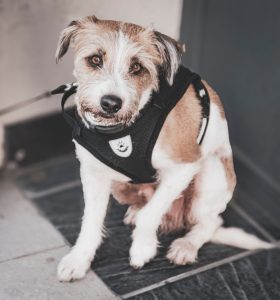
Collars are one of the most common accessories for dogs. They are easy to put on, lightweight, and convenient for holding identification tags.

One of the biggest advantages of a collar is convenience. A properly fitted collar can often be worn throughout the day, making it easy to attach a leash for a quick trip outside. Collars also provide a visible place for your dog’s ID tag, which can be extremely important if your pet becomes lost.

For dogs that walk calmly without pulling, a collar may be all that is needed for everyday walks. Many dogs are comfortable wearing one, and collars come in a wide variety of sizes, materials, colors, and styles.

The Cons of Using a Collar

Although collars are convenient, they may not be the best choice for every dog. When a dog pulls strongly against the leash, pressure is placed directly on the neck and throat. This can cause discomfort and may be especially concerning for small breeds, puppies, senior dogs, dogs with respiratory issues, or dogs with sensitive necks.

Some dogs can also slip out of collars if the fit is too loose or if their head and neck are similar in size. Proper fitting is essential for both comfort and safety.

A collar should never be so tight that it restricts breathing or causes irritation. As a general guideline, you should be able to comfortably fit two fingers between the collar and your dog’s neck, although fit may vary depending on the dog and collar style.

The Pros of Using a Harness

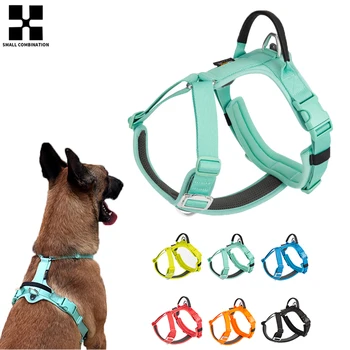
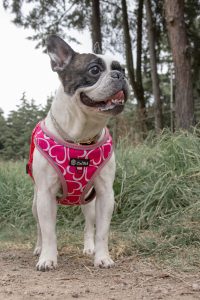
A harness distributes leash pressure across a larger area of the dog’s body, usually around the chest and shoulders rather than concentrating force on the neck. For this reason, many pet parents prefer harnesses for walking.

Harnesses can be especially helpful for small dogs, puppies, strong pullers, and dogs that need additional control during walks. They may also reduce the chance of a dog backing out and escaping when properly fitted.

Different harness styles offer different benefits. Front-clip harnesses may help manage pulling by gently redirecting the dog, while back-clip harnesses are often easy to use and comfortable for relaxed walkers.

A well-fitted harness can also give pet parents better control in busy areas, around other animals, or during exciting situations.
The Cons of Using a Harness

Harnesses are not perfect for every dog or every situation. Some can be more complicated to put on than collars, particularly for dogs that do not like having equipment placed over their heads or around their legs.

Fit is extremely important. A harness that is too tight may rub or restrict movement, while one that is too loose may allow the dog to escape. Poorly fitted harnesses can cause chafing, especially around the armpits and chest.

Some harnesses may also encourage pulling if the design gives the dog more leverage, particularly certain back-clip styles. A harness is a useful walking tool, but it does not replace consistent leash training.

Should You Choose a Harness or a Collar?

There is no single answer that works for every dog. A calm adult dog that walks politely on a leash may do perfectly well with a properly fitted collar. A puppy, small breed, strong puller, or dog with neck sensitivity may benefit more from a harness.

Many pet parents choose to use both. A collar can hold identification tags, while a harness can be used during walks to provide greater comfort and control.

Whichever option you choose, check the fit regularly. Puppies grow quickly, dogs can gain or lose weight, and straps may loosen over time. Look for signs of rubbing, redness, hair loss, or discomfort.

Final Thoughts

The best walking equipment is the option that keeps your dog safe, comfortable, and secure. Both collars and harnesses have benefits, and the right choice depends on your individual dog and your daily routine.

Pay attention to how your dog moves and behaves while wearing their equipment. A comfortable dog should be able to walk naturally without rubbing, pinching, choking, or restricted movement.

At My Pet Wonderland, we believe every pet deserves comfort, safety, and plenty of happy adventures. Taking the time to choose the right collar or harness is one simple way to make every walk more enjoyable for both you and your furry companion.

Because every great adventure begins with a happy, safe pet. 🐾

4th of July Pet Safety Tips: How to Keep Your Furry Friends Calm During Fireworks

The 4th of July is a time for family gatherings, backyard barbecues, and spectacular fireworks displays. While these celebrations are exciting for people, they can be overwhelming and frightening for pets. Loud fireworks, unfamiliar guests, and changes to routine can cause stress, anxiety, and even dangerous situations for dogs, cats, and other small animals. Every year, animal shelters report an increase in lost pets around Independence Day as frightened animals attempt to escape from the...

Why Tough Dog Toys Are Essential for Aggressive Chewers

If you share your home with a dog that loves to chew, you know how quickly ordinary toys can be destroyed. Aggressive chewers often have powerful jaws and a natural desire to gnaw on anything they can find. While chewing is a normal and healthy behavior for dogs, it can become a problem when toys break apart easily or when your dog turns to furniture, shoes, or other household items for entertainment. That's why tough dog toys are an essential investment for aggressive chewers. Durable dog...

Why Raised Dog Beds Are a Smart Choice for Your Pet

Every dog deserves a comfortable place to rest after a long day of playing, walking, and spending time with family. While traditional dog beds remain popular, raised dog beds have become a favorite among pet owners looking for comfort, durability, and added health benefits for their furry companions. Raised dog beds, also known as elevated dog beds, are designed with a sturdy frame that lifts the sleeping surface off the ground. These beds combine support, airflow, and convenience in a way...

Why Every Cat Owner Should Consider a Breakaway Collar

Cats are naturally curious creatures. Whether they spend their days lounging indoors or exploring the backyard, their adventurous personalities can sometimes put them in risky situations. One simple but important way to help keep your feline friend safe is by choosing the right collar. Among the many options available, breakaway collars have become one of the safest and most recommended choices for cats. A breakaway collar is specially designed to release or “snap open” if it gets caught on...

Playtime Matters: Boost Your Guinea Pig’s Happiness with the Right Toys

Guinea pigs may be small pets, but their need for stimulation and interaction is anything but minor. These gentle, social animals thrive in environments where they can explore, forage, and play. While a comfortable cage and a healthy diet are essential, playtime is just as important for maintaining a guinea pig’s physical and emotional well-being. The right toys can transform your pet’s daily routine, turning an ordinary enclosure into a fun, enriching space that supports a happy and active...

Choosing the Right Hiding Spots for Your Reptiles: Why Cork Bark Flats Make a Difference

Introduction If you’re a reptile parent, you know that your scaly friends can be a little mysterious. One minute they’re lounging in the sun, the next they’re vanished behind a rock or plant. But here’s the thing: hiding isn’t laziness—it’s a need. Reptiles rely on hiding spots to feel safe, regulate stress, and even control their body temperature. Without the right shelters, they can get anxious, eat less, or worse—develop health problems. So, how do you give your reptile the perfect hideout...

Why Automatic Waterers Are Safer Than Bowls for Your Rabbit

If you’ve ever watched your rabbit knock over a water bowl—or worse, refuse to drink because the water looks suspicious—you know the struggle of keeping your pet hydrated. Rabbits are delicate creatures, and staying properly hydrated is crucial for their health. But for many pet parents, the “classic water bowl” seems like a convenient choice… until you realize it’s not as foolproof as it seems. Let’s dive into why automatic waterers are safer than bowls, and why making the switch can keep...

Keep Your Horses Happy and Fly-Free: The Ultimate Seasonal Survival Guide

Introduction: Why Fly Season Can Be a Total Mood Killer for Horses Let’s be real: fly season is basically a mini-horror show for horse owners. Those buzzing little pests aren’t just annoying—they’re sneaky little stress machines that turn even the calmest horses into tail-flipping, ear-flicking bundles of irritation. And when your horse is stressed, it shows: restless behavior, interrupted feeding, and sometimes even cuts or sores from tail swishing or kicking. Here’s the thing: your horse...

7 Must-Have Products to Keep Your Small Pets Healthy and Happy

Introduction: Why Your Small Pets Deserve the Best As a small pet owner, you know that hamsters, guinea pigs, and other little companions need more than just food and water—they need stimulation, comfort, and safe ways to explore. Without the right products, pets can get bored, stressed, or even develop health problems. This listicle will highlight 7 must-have products that solve common small pet challenges while keeping your furry friends entertained, active, and cozy. 1. Silent Hamster...

Stop the Tug-of-War: How a Retractable Dog Leash Makes Walks Stress-Free in 2026

If you’re a dog owner, you know the struggle: your furry friend sees a squirrel, a passerby, or even a leaf—and suddenly, your leisurely walk turns into a tug-of-war. Pulling, jerking, and leash tangles can make what should be a relaxing stroll feel stressful and exhausting. For many pet lovers, this daily challenge isn’t just inconvenient—it’s a genuine safety concern. In 2026, walking your dog isn’t just about exercise; it’s about creating a safe, enjoyable, and stylish experience for both...

0 Comments

Submit a Comment

Your email address will not be published. Required fields are marked *

Join