
Creating a reptile habitat isn’t a one-and-done project.
Temperatures change. Bulbs age. Substrate gets dirty. Water evaporates. Equipment can stop working properly. Even an enclosure that looks perfectly fine from across the room may need a little attention.
Different reptiles have very different requirements, so there isn’t one perfect habitat setup for every species. A bearded dragon, leopard gecko, ball python and chameleon aren’t going to thrive under identical conditions.
But there are several basic things every reptile keeper should regularly check.
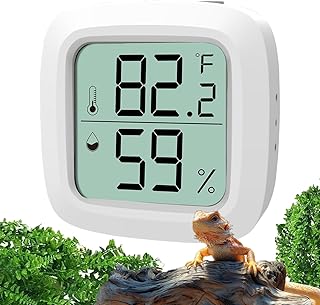
1. Temperature
Reptiles depend on their environment to regulate their body temperature, making proper enclosure temperatures extremely important.
Many species need a temperature gradient that allows them to move between warmer and cooler areas as needed.
Check temperatures in the appropriate areas of the enclosure rather than assuming everything is fine because the heat source is working.
Seasonal changes inside your home can affect enclosure temperatures too. A setup that maintained perfect temperatures during summer may behave differently once your home’s air conditioning or heating patterns change.
2. Humidity
Humidity requirements vary dramatically between reptile species.
Some reptiles thrive in relatively dry environments, while others require considerably more humidity. That’s why it’s important to research the needs of the particular species you keep rather than following generic reptile advice.
Monitor humidity with an appropriate gauge and check it regularly.
Substrate, ventilation, water dishes, misting and even the humidity inside your home can influence conditions inside the enclosure.

3. Lighting and UVB
For species that require UVB lighting, simply seeing that the bulb still produces visible light doesn’t necessarily tell you whether it is still providing adequate UVB.
UVB output can decrease as bulbs age, so follow the manufacturer’s replacement recommendations for the specific bulb you’re using.
Also make sure lights are positioned at an appropriate distance for your species and setup and aren’t being blocked by materials that interfere with UVB transmission.
Lighting schedules matter too. Timers can make maintaining a consistent day-and-night cycle much easier.
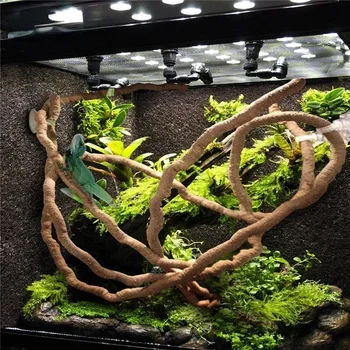
4. Hides and Climbing Areas
A reptile enclosure shouldn’t just maintain the right numbers on a thermometer.
Your reptile also needs an environment where it can behave naturally and feel secure.
Depending on the species, that might mean hides, branches, climbing areas, plants, rocks or other appropriate enclosure furnishings.
Check that hides remain stable and haven’t shifted. Make sure climbing structures are secure and can’t fall or collapse.
As reptiles grow, something that once provided plenty of room may eventually become too small.

5. Substrate
Take a close look at the substrate during regular habitat checks.
Remove waste promptly and watch for damp, dirty or moldy areas. Depending on the substrate and species, portions may need to be replaced regularly or the entire enclosure may occasionally require a more thorough change.
The appropriate substrate depends heavily on the reptile species, age and husbandry setup, so choose it based on reliable species-specific guidance rather than appearance alone.
The prettiest enclosure in the world isn’t useful if its resident isn’t safe and comfortable.

6. Water
Fresh, clean water is easy to overlook because the bowl may still appear full.
Water dishes can collect substrate, food and waste, and some reptiles have an impressive ability to turn perfectly clean water into swamp water almost immediately.
Wash and refill dishes regularly rather than simply topping them off.
Some reptiles have additional hydration needs, such as misting or dripping systems. Those systems also need regular cleaning and inspection to make sure they’re working properly.
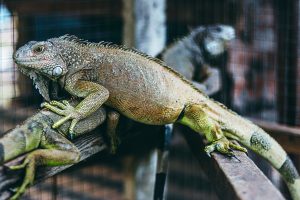
7. The Reptile
The most important part of the habitat check isn’t actually the habitat.
It’s the animal living inside it.
Pay attention to your reptile’s normal behavior and appearance. Notice eating habits, activity level, shedding, body condition and waste.
Changes don’t automatically mean something is wrong, but knowing what’s normal for your individual animal makes unusual changes much easier to spot.
If you’re concerned about significant changes in appetite, behavior, weight, breathing, movement, shedding or other health-related signs, contact a veterinarian experienced with reptiles.
Make Habitat Checks Part of the Routine
Reptile care isn’t about creating a perfect enclosure once and never touching it again.
Think of the habitat as a small environment that’s constantly changing.
A regular check of temperatures, humidity, lighting, furnishings, substrate and water can help you notice problems early and keep the enclosure functioning the way it should.
And while you’re checking all of that, take a minute to simply observe your reptile.
After all, gauges and equipment tell you what’s happening in the enclosure.
Your reptile tells you how well that enclosure is actually working for them. 🦎🐾






0 Comments