
You may notice the first signs of a changing season when the temperature shifts, the days get shorter, or the weather starts behaving differently.
Your pet may notice before you do.
Animals are incredibly tuned in to changes around them.
Temperature.
Humidity.
Daylight.
Plants.
Insects.
Scents.
Wildlife.
Even changes in OUR routines.
And while your pet probably doesn’t have a tiny calendar hanging beside their food bowl, they definitely know when something is different.
Changing Daylight Can Affect Pets
One of the biggest seasonal changes isn’t temperature.
It’s daylight.
The amount of daylight changes throughout the year, and animals can respond to those changes.
You may notice differences in sleeping patterns, activity levels, or shedding.
Birds can be particularly sensitive to light cycles, which makes a consistent sleep routine important.
Cats may relocate their daily sunbathing operation because their favorite patch of sunlight has moved.
This will, naturally, be treated as a personal betrayal.

Here Comes the Fur
For many pet parents, one sign of changing seasons is impossible to miss.
FUR.
Everywhere.
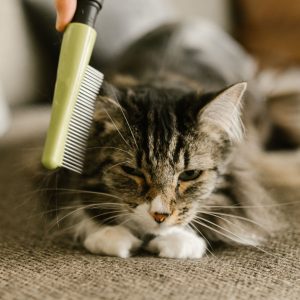
Dogs and cats may shed more heavily as their coats respond to seasonal changes.
Regular brushing can help remove loose fur and reduce the amount that ends up decorating your furniture, clothes, floors, car, and apparently your dinner.
Brushing also gives you a chance to check your pet’s skin.
Keep an eye out for redness, dry areas, bumps, unusual hair loss, irritation, or excessive scratching.
Seasonal Allergies Can Affect Pets Too
Humans aren’t the only ones dealing with pollen, plants, mold, grasses, and other seasonal allergens.
Some dogs and cats may experience seasonal allergy symptoms.
Possible signs can include:
🐾 Paw licking
🐾 Scratching
🐾 Red or irritated skin
🐾 Watery eyes
🐾 Sneezing
🐾 Ear irritation
Because these symptoms can have many different causes, persistent or severe problems should be checked by your veterinarian.
Don’t assume everything is “just allergies.”
Check Those Paws
Seasonal changes can bring different conditions outside.
Hot pavement.
Wet grass.
Mud.
Burrs.
Plants.
Pollen.
Tiny objects.
Puddles containing who-knows-what.
Checking paws after outdoor adventures only takes a moment.
Look between the toes and around the pads for anything unusual.
And yes, your dog may act as though this inspection is a gross violation of their constitutional rights.
Proceed anyway. 😂

Your Yard Changes Too
As weather changes, different things may suddenly appear in your yard.
New plants.
Mushrooms.
Standing water.
Different insects.
Wildlife.
Lawn treatments.
Fertilizers.
Seasonal decorations.
Take a quick look around regularly, especially before letting curious pets investigate.
Remember, your definition of “Do NOT eat that” and your pet’s definition may be very, very different.
Small Animals Feel Temperature Changes
Small pets can be sensitive to changes in room temperature.
Rabbits, guinea pigs, hamsters, gerbils, rats, mice, and other small animals need an environment appropriate for their species.
Keep habitats away from places where the temperature changes rapidly, such as directly beside heating vents, air-conditioning vents, or drafty windows.
Check bedding and hiding areas regularly and make sure your pet has a comfortable place to rest.
Reptile Parents, Check Those Numbers
Reptiles rely heavily on their environment to maintain appropriate body temperatures.
Even indoor enclosures can be affected when household temperatures change.
Season changes are a good reminder to check:
🦎 Basking temperatures
🦎 Cooler-side temperatures
🦎 Humidity
🦎 Heating equipment
🦎 Lighting
🦎 Thermometers and humidity gauges
Every species has different requirements, so always follow care recommendations for your particular reptile.
Your leopard gecko and your bearded dragon did not sign the same lease.
Don’t Forget the Fish
Aquariums may seem isolated from seasonal changes, but household temperature changes can affect the water too.
Make sure aquarium heaters and thermometers are working properly and that water temperatures remain appropriate for the species living there.
Aquariums near windows may also receive different amounts of sunlight as the seasons change.
Stable conditions are usually far better than sudden fluctuations.
Birds Notice Changes Around the House
When seasons change, WE change things too.
Windows may be opened or closed more often.
Fans come on.
Air-conditioning use changes.
Eventually, heating systems may come into play.
Bird cages should be kept away from direct drafts and sudden temperature changes.
It’s also important to maintain an appropriate sleep schedule despite changes in daylight outside.
Sometimes the Biggest Change Is YOU
New season.
New schedule.
Kids return to school.
Work hours change.
Holiday activities begin.
People spend more or less time outdoors.
And suddenly your pet’s daily routine changes too.
Pets often thrive on consistency.
If your household schedule changes, try to keep important routines such as feeding, medication, exercise, and bedtime reasonably predictable.
They don’t need everything to happen at exactly 7:03 every day.
Unless, of course, we’re talking about dinner.
Pets absolutely know when dinner is late.
Approximately 45 seconds late seems to qualify.
Do a Quick Seasonal Pet Check
Whenever the seasons start changing, take five minutes and look around.
Check your pet.
Check their bedding.
Check their environment.
Check temperatures.
Check the yard.
Notice any changes in behavior, appetite, coat, skin, or activity.
Most of the time, seasonal transitions don’t require huge changes.
It’s the little adjustments that help keep pets comfortable.
After all, they’re experiencing the changing season right along with us.
They just don’t understand why we’ve failed to move the sunbeam back to its approved location.
🐾 My Pet Wonderland







0 Comments