Guinea pigs may be small pets, but their need for stimulation and interaction is anything but minor. These gentle, social animals thrive in environments where they can explore, forage, and play. While a comfortable cage and a healthy diet are essential, playtime is just as important for maintaining a guinea pig’s physical and emotional well-being. The right toys can transform your pet’s daily routine, turning an ordinary enclosure into a fun, enriching space that supports a happy and active life.
Why Playtime Is Essential for Guinea Pigs
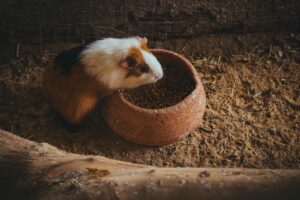
In the wild, guinea pigs spend much of their time searching for food, navigating terrain, and staying alert to their surroundings. This constant activity keeps both their bodies and minds engaged. In a home environment, however, their natural behaviors can become limited if they aren’t given opportunities to play and explore.
Without regular stimulation, guinea pigs can become bored and inactive. This often leads to unwanted behaviors such as chewing on cage bars, hiding excessively, or losing interest in their surroundings. Over time, boredom can even affect their health, contributing to weight gain or stress-related issues.
Playtime provides a healthy outlet for energy and curiosity. It encourages movement, supports mental engagement, and gives guinea pigs the chance to express their natural instincts. Simply put, playtime isn’t just fun—it’s essential.
How the Right Toys Make a Difference
Not all toys are created equal, especially when it comes to guinea pigs. The best toys are those that mimic natural behaviors and encourage interaction. When chosen thoughtfully, toys can significantly improve your pet’s quality of life.
- Encouraging Exploration
Toys like tunnels, hideouts, and ramps invite guinea pigs to explore their environment. These items create a sense of adventure and help prevent the monotony of a static cage setup. Guinea pigs love to run through tunnels and pop in and out of hiding spots, which keeps them active and engaged. - Stimulating the Mind
Interactive toys, such as treat puzzles or foraging mats, challenge guinea pigs to think and problem-solve. Hiding small amounts of food inside toys encourages them to use their senses and work for rewards, much like they would in the wild. This type of mental stimulation helps prevent boredom and keeps their minds sharp. - Promoting Physical Activity
Active play is vital for maintaining a healthy weight and preventing health issues. Toys that encourage movement—like obstacle courses or open play areas—help guinea pigs stay fit and energetic. Even simple additions, like rearranging their space, can motivate them to move more. - Supporting Dental Health
Guinea pigs’ teeth grow continuously, so they need safe items to chew on. Chew toys made from natural materials like wood or hay provide both entertainment and essential dental care. This reduces the risk of overgrown teeth while satisfying their natural urge to gnaw.
Types of Toys Guinea Pigs Love
Choosing a variety of toys ensures your guinea pig stays interested and engaged. Some popular and effective options include:
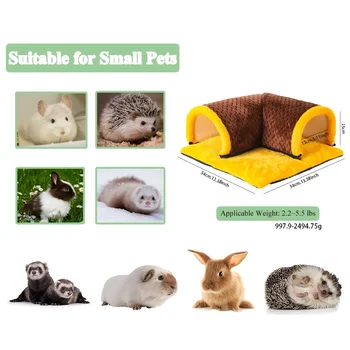
- Tunnels and Hideouts: These provide both exercise and a sense of security. Guinea pigs feel safer when they have places to retreat.
- Foraging Toys: Snuffle mats or hay-stuffed toys turn feeding into an interactive activity.
- Chew Toys: Wooden sticks, hay cubes, and cardboard items help keep teeth healthy.
- DIY Toys: Everyday household items like paper bags, cardboard boxes, and toilet paper rolls can be turned into fun and inexpensive toys.
Variety is key. Guinea pigs can lose interest if they’re exposed to the same items all the time, so mixing things up helps maintain excitement.
Creating an Enriched Play Environment
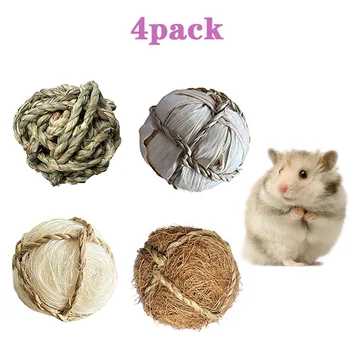
Vine Chew Ball 12
Toys alone aren’t enough—how you use them matters. Creating an enriched environment involves setting up your guinea pig’s space in a way that encourages movement and exploration.
Consider dividing their enclosure into different zones for eating, hiding, and playing. Scatter food or hide treats in different areas to promote foraging behavior. Add layers and textures, such as soft bedding, hay piles, and fleece mats, to make the environment more engaging.
Outside-the-cage playtime is also beneficial. A safe, enclosed area where your guinea pig can roam freely provides additional exercise and stimulation. Always supervise playtime and ensure the space is free from hazards.
The Importance of Rotation and Interaction
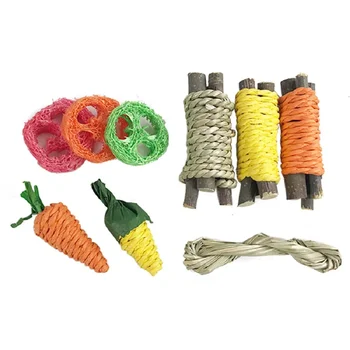
Small Pet Chews 7
One of the simplest ways to keep your guinea pig entertained is by rotating their toys regularly. Introducing new items or rearranging existing ones can make their environment feel fresh and exciting. Even small changes can spark curiosity and encourage activity.
Your involvement also plays a big role. Guinea pigs enjoy gentle interaction, and spending time with them during play can strengthen your bond. Offering treats by hand, guiding them through obstacle setups, or simply being present can make playtime more rewarding.
The Lasting Benefits of Play
When guinea pigs are given the opportunity to play and
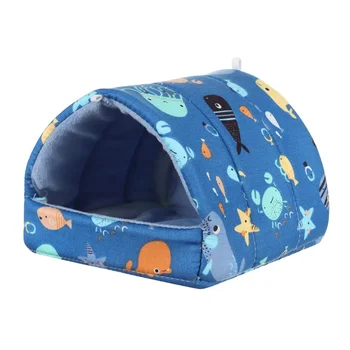
Small Pet Nest 1
explore, the benefits go far beyond entertainment. Regular playtime supports physical health, reduces stress, and promotes natural behaviors. It also helps prevent common issues linked to boredom, such as inactivity or destructive habits.
Most importantly, a well-stimulated guinea pig is a happy guinea pig. You’ll notice increased energy, curiosity, and even more social behavior when their needs are being met.
Final Thoughts
Playtime truly matters when it comes to your guinea pig’s happiness. By choosing the right toys and creating an engaging environment, you can enrich their daily life in meaningful ways. Whether it’s a simple cardboard tunnel or an interactive foraging toy, each addition plays a role in keeping your pet active, curious, and content.
Investing time and effort into play isn’t just about fun—it’s about giving your guinea pig the fulfilling, joyful life they deserve.



0 Comments